
Signs of Life Game Guide: 1.0 Survival, Crafting and Co-op
A complete Signs of Life guide for 1.0: first-hour route, base building, crafting, co-op, Xenoid story and the post-game colony.
Signs of Life left Early Access on 9 November 2026. The 1.0 build adds a proper ending, Xenoid cities with families and children, post-game colony management, and a long list of balance and co-op fixes.
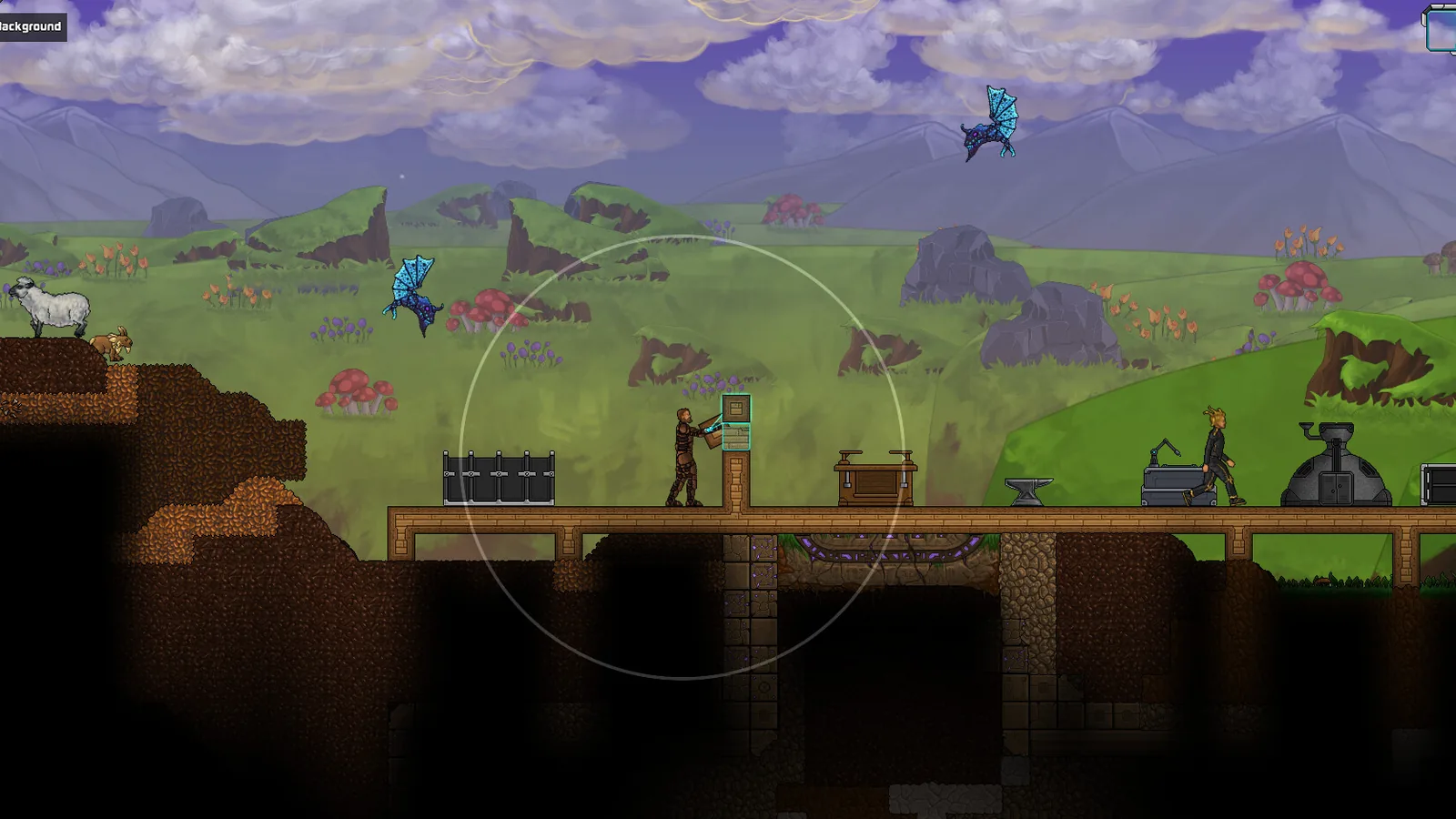
Signs of Life is a science-fiction survival sandbox set on Osiris, a planet the colony ship Hephaestus never reached. You wake up with an AI named AGIS in your ear, a mining base behind you, and a world that mixes procedural terrain with hand-built ruins, labs and alien settlements. The game has been playable since January 2014, but 1.0 is the first version with a beginning, a middle and an end.
This page is the map of the site. It gives you the shortest route from the escape pod to a working base, then points to the specialist guides for crafting, power, co-op and the story. Read it once, then use the cluster pages when you hit a wall.
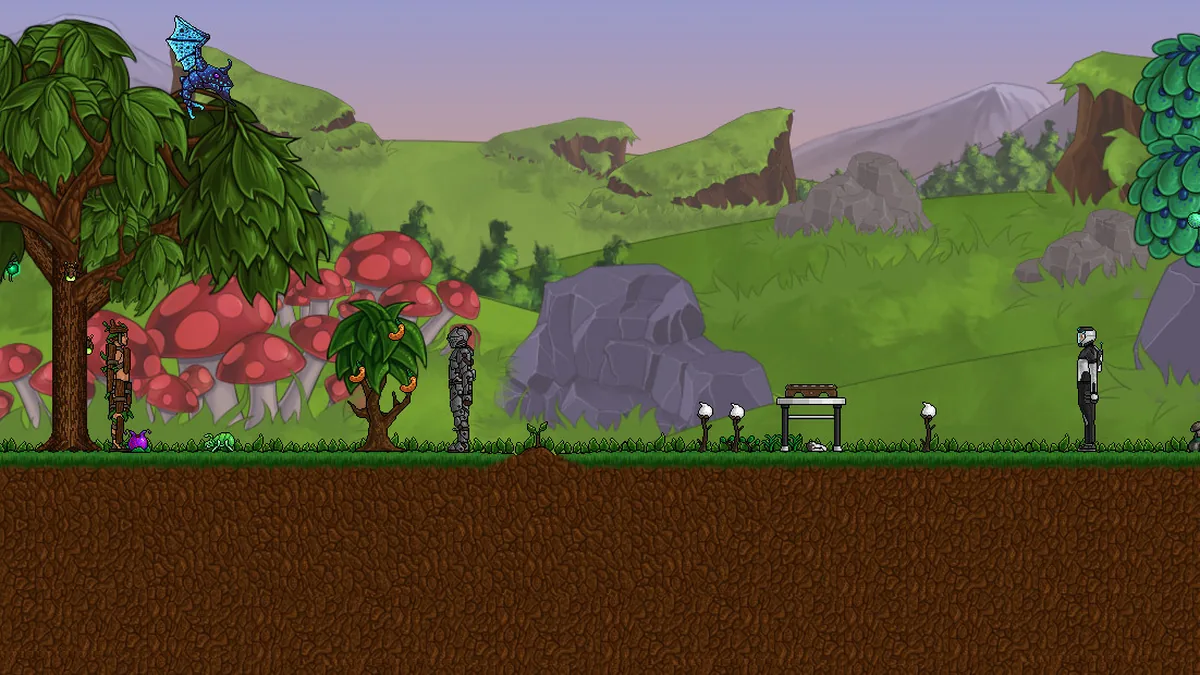
Osiris mixes open grassland, alien ruins and hand-built colony sites.
The first hour, in order
- Finish the wake-up sequence and take the grabber. Update 25 replaced the old grappling hook with an extendable metal grabber. It is installed in the Mining Base to the right of your spawn point. Pick it up before you wander; it is both a traversal tool and a way to pull items out of reach.
- Scan the datapads and the first structures. Scanning is how the game teaches its history and unlocks recipes. The MEG stores journal entries, creature entries, structure entries and datapad notes automatically.
- Build a Basic Work Table and a Campfire. Put them inside the mining base or just outside it. You need a safe crafting point before you need a beautiful base.
- Craft a pickaxe and a basic weapon. The first hours are about stone, plant fiber and hide. Do not skip the work table upgrades; many later recipes require the lower-tier tool as an ingredient.
- Follow the mining base lights downward. The opening area is designed to feed you copper, tin and coal without a long trek. Take the easy ore, then return to the surface.
The beginner tips page→ covers the mistakes that cost new players the most time, including stamina management and why a giant base on day one is a trap.
What 1.0 actually adds
The 1.0 announcement is not a marketing reset. Several systems that existed only in patch notes for years are now part of the main progression:
- An ending and credits. The story now resolves instead of looping forever.
- Xenoid society. The native intelligent aliens have cities, dialogue, families and loot. Learning their language is a progression path, not flavour text.
- Post-game colony management. After the main story, a Pioneer Station operations computer lets you thaw colonists and assign them jobs.
- Combat and gear fixes. Burst Rifle burst behaviour, Bionic Arm melee speed, Energy Glove secondary attack, explosive arrows and optical camouflage on cybernetic limbs were all corrected for 1.0.
The 1.0 changes guide→ sorts the patch notes by what affects a returning player, and the review→ answers whether the release price is justified.
Base building is a room problem
Signs of Life does not use a simple "place walls anywhere" validation. Rooms are the unit of colony functionality. A valid colony room needs an interior at least eight tiles wide and four tiles high, cannot exceed 32 by 16 tiles, and must have background walls, a bed, a door or hatch, and a working light. Rooms on the Hephaestus do not count.
That rule matters long before the post-game. Once you understand it, you stop building decorative boxes and start building rooms that can host stations, storage and eventually colonists. Start with one room that holds your work table, furnace and chests, then add specialised rooms as your production chain grows.
The base building guide→ walks through walls, doors, lighting and station placement. The base locations page→ covers where to put the first room so you are not hauling ore for twenty minutes.
Crafting is a chain, not a menu
The official wiki lists more than 1,200 recipes across 421 structures. You will not use most of them, but the ones you do use depend on each other. The early chain is:
- Plant fiber and hide into basic tools and armour.
- Copper and tin into bronze, then bronze tools and weapons.
- Iron into hammers, which unlock steel recipes.
- Steel into combat gear and structural parts.
- Specialised materials such as carbon nanotubes and microchips into late-game devices.
Two rules save time. First, craft the hammer tier before you need it; Iron Hammer and Steel Hammer are recipe requirements, not just tools. Second, keep a dedicated storage room next to the crafting room. Pneumail and shared containers make co-op logistics much easier, but only if everyone agrees where things go.
The crafting guide→ covers workbench progression, and the resources page→ explains where each ore family comes from.
Power and automation
Power becomes relevant when you build stations that need a powered room, when you want wireless batteries for field equipment, and when you start automating colony production. Known benchmarks from the 1.0 notes and official wiki:
- A Wireless Battery stores 1,000 energy and recharges at 10 per second.
- A Fuel Cell is crafted empty from plastic, copper wire and an aluminium ingot, then filled with a blue fruit, coal and lye to charge MEG batteries.
- A Blast Furnace smelts twice as fast as a Draft Furnace and costs 12 iron ingots.
- Colony rooms need a powered operations computer once you reach the Pioneer Station.
The power guide→ separates confirmed mechanics from community guesses, and the automation page→ covers turrets, Pneumail and colonist jobs.
Co-op is drop-in, host-owned
Online co-op works through Steam friends. One player hosts the world; others join and bring their own character. There are no dedicated servers, so the host must be online for anyone to play. Building and terrain changes are saved by the host, and everyone must run the same game version and the same mods as the host.
That design is generous for a two-player run and awkward for a persistent group. Decide who hosts before you build a shared base, because moving a colony between saves is not a supported feature. The co-op guide→ covers roles, shared storage and the host settings that matter, while the multiplayer fixes page→ handles connection and version errors.
Story route without spoilers
The main story moves from the Hephaestus crash site, through the Mining Base and surface ruins, into the deep dungeon reached by the teleporter at the bottom of the world, and finally to the Xenoid and the resolution of the Osiris colony's purpose. The MEG journal records each step. If you are stuck, check the journal before searching for a walkthrough; the game often tells you the next location in a datapad you already scanned.
The map guide→ explains navigation and the MEG map, the Xenoid page→ covers their society and loot, and the ending guide→ lays out the final route with spoiler warnings.
Official source: Sweet Dog Studios, Signs of Life 1.0 announcement (9 November 2026), Steam store page and official wiki at playsignsoflife.com, checked 10 November 2026.
Sources and further reading
- Signs of Life on Steam ↗ - release date, price, features and system requirements
- Official Signs of Life site ↗ - game overview and developer updates
- Official Signs of Life wiki ↗ - recipes, creatures, structures and item categories
- 1.0 release announcement ↗ - leaving Early Access and the 1.0 summary
FAQ
Is Signs of Life finished?
Yes. Version 1.0 launched on 9 November 2026 and includes an ending, credits and post-game colony management. The developer says bug fixes and updates will continue.
Can I play Signs of Life solo?
Yes. The entire game is playable solo. Co-op is optional drop-in multiplayer through Steam friends.
How long is Signs of Life?
The store page does not publish a completion time, and the 1.0 ending plus colony management makes older Early Access estimates unreliable. Expect a long sandbox rather than a short campaign.
Does co-op need a dedicated server?
No. One player hosts the world from their own session. The host must be online and saves the world.
Related Signs of Life Guides
Practical Signs of Life tips for new players: scan everything, manage stamina, build one good room, and avoid the early base traps.
Every major Signs of Life 1.0 change: the ending, Xenoid cities, colony management, rebalanced gear, controls and co-op fixes.
How Signs of Life co-op works: Steam friend hosting, drop-in play, character transfer, shared storage, PvP settings and role splits for two players.
The Signs of Life achievement list with global unlock rates, the gemologist chain, the joke achievements and a practical completion route.
How the Signs of Life alien language works: scan inscriptions, build understanding, unlock Xenoid dialogue and extract seven archive records with AGIS.
How armor works in Signs of Life, the best early and late sets, Ghost Hide and Energy Plate bonuses, mining suits and co-op gear priorities.
More Signs of Life Guides
Automate a Signs of Life base with turrets, Pneumail shared storage, drone accessories and post-game colonist jobs, without wasting power.
How base building works in Signs of Life: valid room sizes, walls, doors, lighting, station layout and the mistakes that waste materials.
Choosing a Signs of Life base location: ore access, flat ground, biome hazards, story travel and the best spots for a first or late-game base.
A tour of Signs of Life biomes: grasslands, purple alien terrain, caves, ruins, Xenoid cities and the late-game New Earth areas.
The major Signs of Life boss fights, the order to attempt them, gear checks and arena tips, plus a pointer to the Buff Mechington Mk2 strategy.
How to beat Buff Mechington Mk2 in Signs of Life: the glowing weak points, head-tail-chest order, the three-second chest window and co-op tactics.
How the Signs of Life colony works: Pioneer Station computer, room requirements, colonist jobs, Pneumail storage and new-world requirements.
A Signs of Life crafting guide: work table tiers, furnace upgrades, hammer requirements, recipe chains and how to organise production.