
Signs of Life Xenoid Guide: Cities, Society and Loot
Who the Xenoid are in Signs of Life, what their cities contain, how to fight them, and where to find Xenohide, Xenoid Alloy and archive records.
Xenoid cities have homes, families and archives. The 1.0 build expands their dialogue and layouts. Explore before you pick a fight.
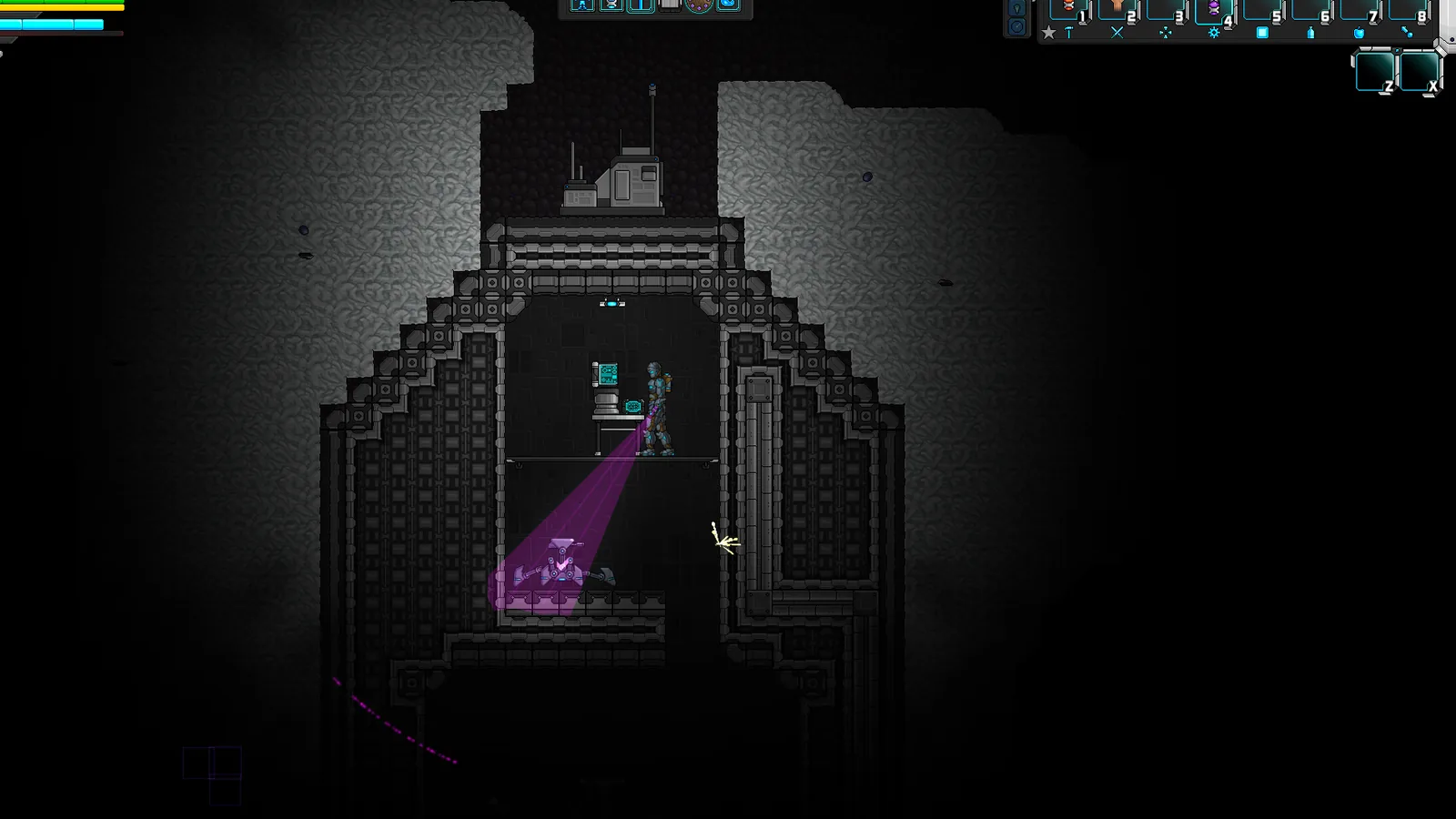
The Xenoid are the native intelligent aliens of Osiris. They are also the source of the game's best alien materials and a large part of its story. Early Access treated them mostly as enemies in ruins. The 1.0 build turns them into a society worth understanding.
This guide covers who they are, where to find them, what their cities contain and how to survive a fight if one starts.
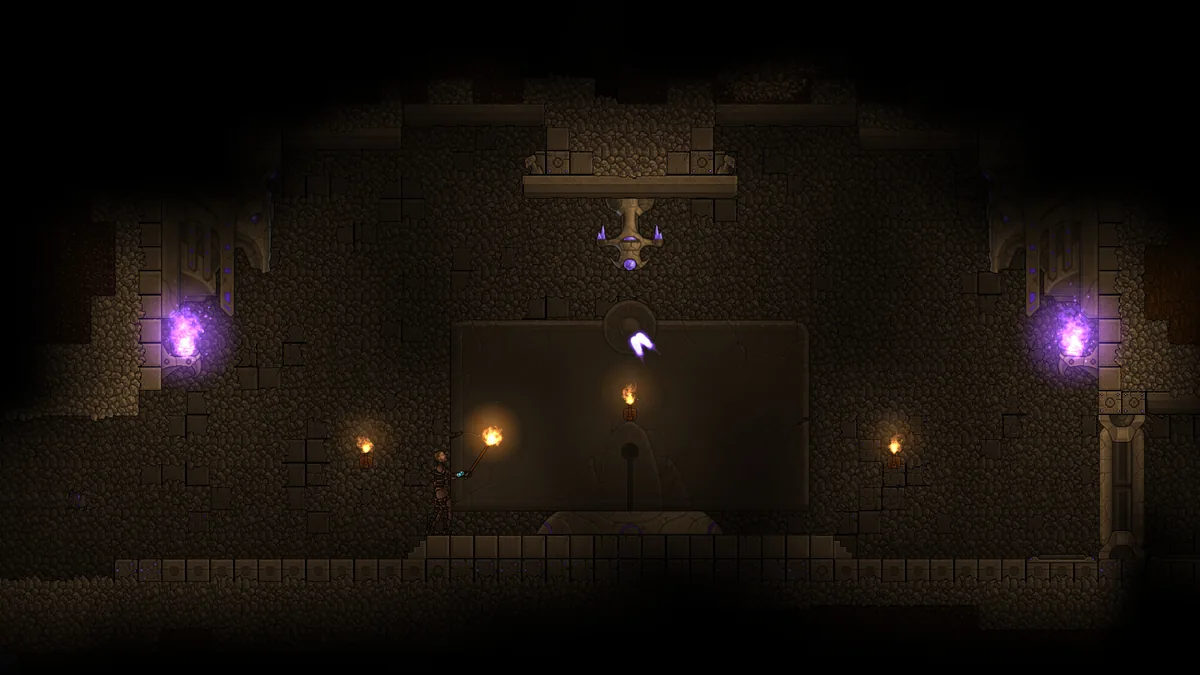
Xenoid cities are settlements, not dungeons.
Who the Xenoid are
The Xenoid are native to Osiris. Their civilisation predates the Hephaestus colony, and their structures are part of the planet's history rather than a dungeon theme. They have language, art, families and a relationship with the alien machines scattered across the world.
The story's late-game route goes through their territory. Learning their language is not optional lore; it unlocks dialogue and archive records that explain the ending.
What 1.0 changed
The 1.0 release expands Xenoid content in several ways:
- City dialogue is broader.
- Cities include families and children.
- House layouts, furniture, containers and loot are more varied.
- Seven reusable Xenoid archive records can be extracted into the MEG once you understand the language.
- AGIS can help extract the archives after the language milestone.
The practical result is that a Xenoid city is now worth exploring room by room. The old advice to clear a city once and leave no longer applies.
Where to find Xenoid
Xenoid settlements appear in the alien zones, beyond the surface ruins and the deep caves. The main story route leads you there through the bottom teleporter and the deep dungeon.
You may also encounter Xenoid individuals and hounds in ruins before the main city. These are not the same as a city population; treat them as separate encounters.
Look for:
- Purple-lit architecture.
- Organic shapes mixed with machine parts.
- Inscriptions and archives.
- Hounds and specialised Xenoid fighters.
- Containers and furniture that can be searched.
City exploration
A Xenoid city is a vertical, room-based space. Explore with the same routine you use for ruins:
- Scan the exterior inscriptions.
- Enter through the main path, not a broken wall.
- Scan every new glyph and archive.
- Search containers and furniture.
- Check upper floors and side rooms.
- Leave a beacon at the entrance.
- Do not start a fight in a crowded room unless you have an escape route.
The 1.0 layouts include family spaces and children. That is a narrative choice, not a combat puzzle. If you are role-playing a peaceful explorer, you can walk through without attacking.
Xenoid combat
Xenoid fighters are tougher than surface enemies. They use melee attacks and, in some cases, ranged or specialised weapons. Armoured Xenoid specialists are the hardest non-boss enemies in their faction.
General combat rules:
- Fight in a doorway or corridor, not an open room.
- Target the exposed body, not the armour.
- Back away when an attack wind-up starts.
- Use ranged weapons to pull one enemy at a time.
- Do not fight near a group of civilians if you can avoid it.
- Bring food and a backup weapon.
The weapons guide→ covers weapon classes, and the armor guide→ covers the gear that survives a city fight.
Loot and materials
Xenoid creatures and Ruins Hounds drop Xenohide and bone. Xenoid structures contain Xenoid Alloy, electronics and archive records.
Why the materials matter:
- Xenohide: late-game armour and gear.
- Xenoid Alloy: high-end weapons and technology.
- Bone: tools, decorations and some recipes.
- Archive records: story and language progression.
Do not sell alien materials early. The best gear recipes use them, and the vendors do not offer a replacement.
Language and archives
The Xenoid language is learned by scanning inscriptions. Each scan adds to your understanding. Once you reach the milestone, AGIS can extract the seven reusable archive records into the MEG.
The archives explain the Xenoid side of the story: their history, their relationship with the planet and their view of the colony. They are the main reason to explore cities rather than rush the ending.
The alien language guide→ covers the scanning route.
Xenoid hounds
Xenoid Hounds, also labelled Ruins Hounds in the game data, are the animal-side enemy of the faction. They are faster than Xenoid fighters and often appear in packs.
Tips:
- Fight them in a corridor so they cannot surround you.
- Use a ranged weapon to pull one at a time.
- Do not chase them into an unexplored room.
- Collect Xenohide from every kill.
Should you fight or avoid the Xenoid?
Both are valid. The story does not require you to wipe out a city. If you want loot, fight the guards and hounds, not the civilians. If you want the archives, explore and scan.
The game's ending does not depend on a genocide run. Treat the Xenoid as a faction with a story, not a resource node.
A checklist before entering a city
- Weapons repaired and loaded.
- Food in the HUD slot.
- Armour that resists melee.
- Free inventory space.
- A beacon at the entrance.
- A save backup.
- The MEG charged and ready to scan.
The map guide→ covers navigation, and the ending guide→ explains how the Xenoid fit into the finale.
Official source: Sweet Dog Studios 1.0 announcement, Update 25-27 patch notes and the official wiki creature data, checked 10 November 2026.
Sources and further reading
- 1.0 release announcement ↗ - Xenoid city and archive changes
- Update 26 patch notes ↗ - Xenohide and Ruins Hounds
- Official wiki creatures ↗ - Xenoid and hound entries
- Steam store page ↗ - story overview
FAQ
Are the Xenoid hostile in Signs of Life?
They can be hostile, but they are a civilisation with cities, families and dialogue. You can explore without clearing every room.
Where do I find Xenohide?
It drops from Xenoid creatures and Ruins Hounds. Xenoid cities and ruins are the best sources.
What are the Xenoid archive records?
Seven reusable records that explain Xenoid history. AGIS can extract them into the MEG once you understand the language.
Can I finish the game without learning the language?
The language is part of the late-game story route. You can rush the ending, but you will miss the Xenoid side of the narrative.
Related Signs of Life Guides
How the Signs of Life alien language works: scan inscriptions, build understanding, unlock Xenoid dialogue and extract seven archive records with AGIS.
How to navigate Osiris in Signs of Life: MEG map, Comm Beacons, the Mining Base, caves, the bottom teleporter and the route to Xenoid territory.
A practical Signs of Life weapons guide: early pistols, mid-game rifles and shotguns, energy weapons, melee tiers, ammo and the best picks for bosses.
Every major Signs of Life 1.0 change: the ending, Xenoid cities, colony management, rebalanced gear, controls and co-op fixes.
The Signs of Life achievement list with global unlock rates, the gemologist chain, the joke achievements and a practical completion route.
How armor works in Signs of Life, the best early and late sets, Ghost Hide and Energy Plate bonuses, mining suits and co-op gear priorities.
More Signs of Life Guides
Automate a Signs of Life base with turrets, Pneumail shared storage, drone accessories and post-game colonist jobs, without wasting power.
How base building works in Signs of Life: valid room sizes, walls, doors, lighting, station layout and the mistakes that waste materials.
Choosing a Signs of Life base location: ore access, flat ground, biome hazards, story travel and the best spots for a first or late-game base.
Practical Signs of Life tips for new players: scan everything, manage stamina, build one good room, and avoid the early base traps.
A tour of Signs of Life biomes: grasslands, purple alien terrain, caves, ruins, Xenoid cities and the late-game New Earth areas.
The major Signs of Life boss fights, the order to attempt them, gear checks and arena tips, plus a pointer to the Buff Mechington Mk2 strategy.
How to beat Buff Mechington Mk2 in Signs of Life: the glowing weak points, head-tail-chest order, the three-second chest window and co-op tactics.
How Signs of Life co-op works: Steam friend hosting, drop-in play, character transfer, shared storage, PvP settings and role splits for two players.